
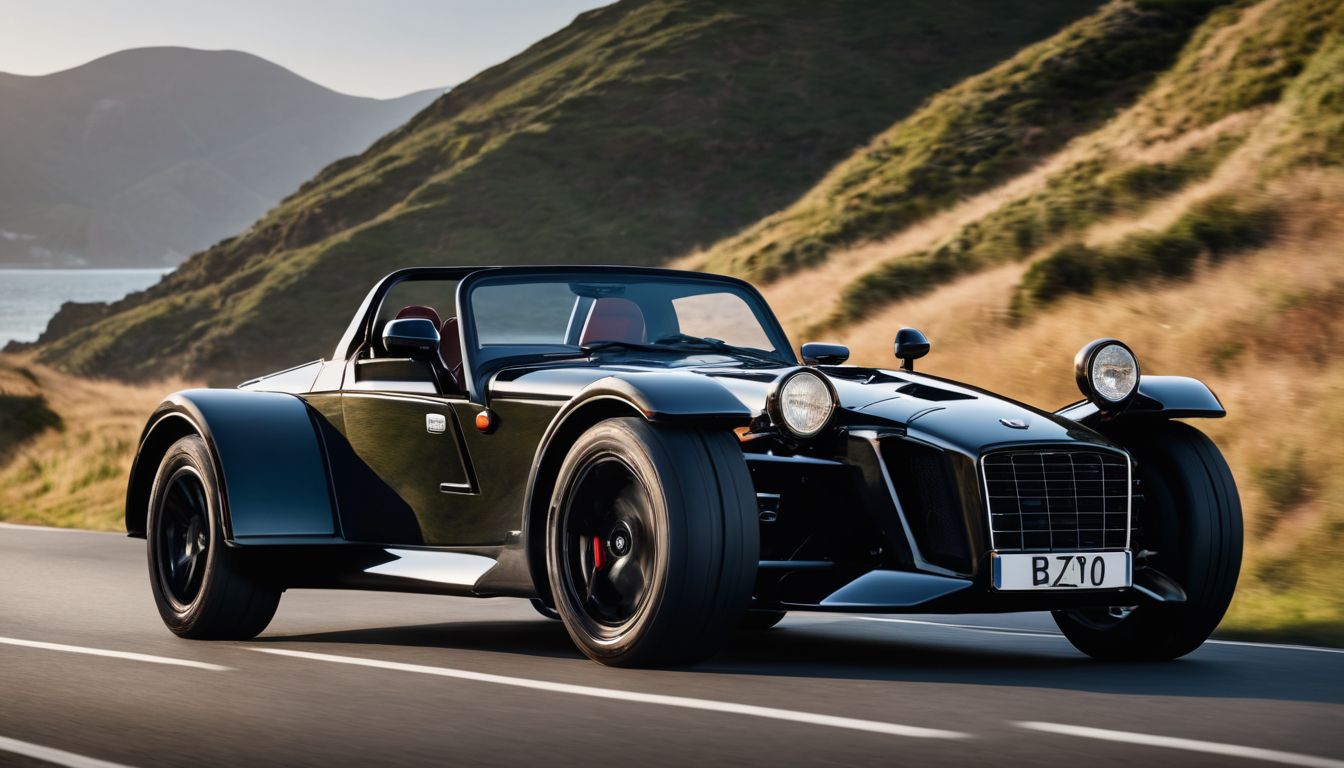

Imagine yourself gripping a steering wheel that transmits every whisper of the road. Picture yourself hurtling down a winding coastal highway, the raw power of a beast surging beneath you. This isn’t a scene from a high-octane movie; it’s the exhilarating reality of owning a Donkervoort.
Born from the relentless pursuit of driving perfection, Donkervoort isn’t just a car; it’s a philosophy – a Dutch-engineered masterpiece where lightweight design meets untamed power. Founded by visionary Joop Donkervoort with a dedication to pure driving thrills, these handcrafted machines have carved a unique niche in the world of supercars.
So, buckle up and get ready to delve into the world of Donkervoort. We’ll explore their rich history, dissect the engineering marvels that make them rockets on wheels, and answer every question burning under the hood of your curiosity – from ownership experiences to the price tag that fuels these automotive beasts. Let’s unleash the Dutch beast together.
Donkervoort: A Brief History
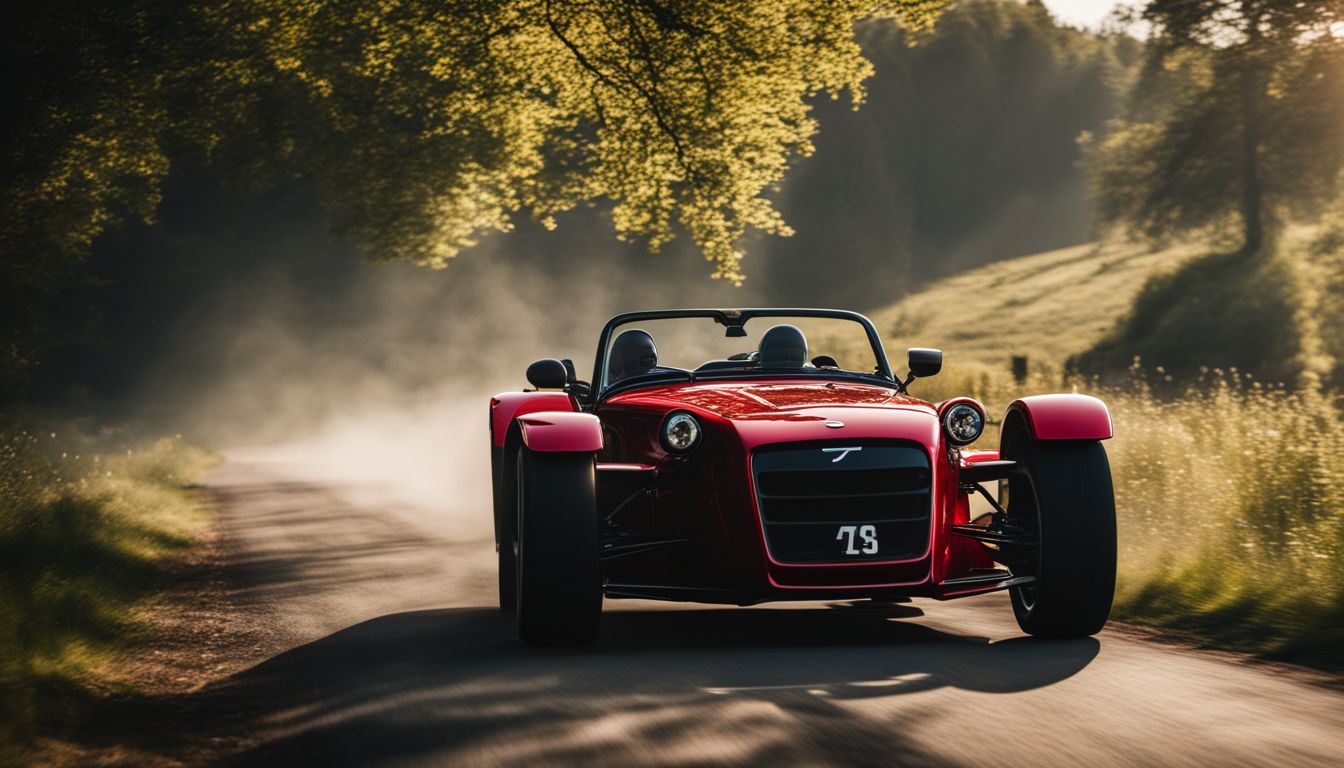
The story of Donkervoort is a testament to one man’s unwavering passion for crafting the ultimate driver’s machine. It all began in 1978, not in a corporate boardroom, but in a humble Dutch shed. Joop Donkervoort, a man fuelled by a desire to push the boundaries of automotive exhilaration, embarked on a mission to create a car unlike any other. Inspired by the minimalist brilliance of Colin Chapman’s Lotus Seven, Joop didn’t simply copy – he innovated.
The very first Donkervoort, the S7, embodied this spirit of innovation. Joop meticulously crafted the car, focusing on shedding every ounce of unnecessary weight. He utilized readily available components like the Ford Cortina’s rear axle and Triumph’s front suspension, but the true magic was in the lightweight chassis and body panels. This relentless pursuit of minimalism resulted in a thrilling, surprisingly practical car for a lightweight sports car.
This focus on lightweight engineering became the cornerstone of the Donkervoort philosophy. Early success with the S7 fuelled Joop’s ambition, and by the mid-1980s, the S8 emerged. The S8 marked a significant evolution, featuring a wider chassis, fuel injection for improved performance, and independent rear suspension for enhanced handling. Donkervoort continued to refine their designs, constantly striving to shave off weight and optimize performance. A defining moment came in 1996 when Donkervoort transitioned from Ford to Audi engines. This shift boosted power while maintaining the brand’s commitment to lightweight construction.
The Donkervoort story is one of continuous innovation and unwavering dedication to a singular vision. Joop Donkervoort’s legacy lives on in every meticulously crafted car that bears his name, a testament to the transformative power of passion and a relentless pursuit of driving perfection.
A Breed Apart: Unveiling the Donkervoort Model Lineup
Donkervoort isn’t just a single car; it’s a lineage of automotive thoroughbreds, each generation pushing the boundaries of performance and staying true to the brand’s lightweight DNA. To understand their unique character, let’s explore the current and some past Donkervoort models.
Current Models
The reigning champion of the Donkervoort stable, the D8 GTO embodies the brand’s philosophy of minimalist design and exhilarating performance.
D8 GTO
The Donkervoort D8 GTO isn’t your average sports car. Forget creature comforts and prioritize raw driving experience – this Dutch beast is a force to be reckoned with. Produced from 2013 to 2022, the D8 GTO carves a unique niche for thrill-seekers who crave an unfiltered connection to the road.
Powerhouse in Lightweight Clothing
The D8 GTO’s heart lies in its Audi-sourced 2.5L turbocharged five-cylinder engine. Depending on the variant, it pumps out between 340 and 435 horsepower. But the real magic lies in the car’s weight – a feather-light curb weight of around 700kg thanks to extensive use of carbon fibre. This translates to a power-to-weight ratio rivalling supercars, propelling the D8 GTO from 0 to 100 km/h in a blistering 2.8 seconds.
Variants Aplenty
Donkervoort offered a range of D8 GTO flavours to cater to individual preferences. The base model struck a balance between performance and usability. For the weight-obsessed, the Bare Naked Carbon (BNC) edition shed even more pounds with its exposed carbon fibre body.
Craving a track-focused weapon? The D8 GTO RS cranked up the power and sharpened handling for ultimate lap times. The 40th-anniversary D8 GTO-40 was a glorious limited edition, boasting the title of the lightest and fastest GTO ever. Donkervoort launched the Individual Series in 2021, allowing customers to tailor their D8 GTO to their wildest dreams within EU regulations.
Uncompromising Performance
The D8 GTO prioritizes driver engagement above all else. Forget the fancy infotainment systems and luxurious interiors found in modern sports cars. The D8 GTO offers a bare-bones cockpit focused solely on the driving experience. Lightweight materials and a minimalist design philosophy keep the weight down, but some might find it spartan.
The reward for this dedication to lightness? Razor-sharp handling. The D8 GTO carves corners with precision, offering a level of driver feedback that’s becoming increasingly rare in today’s world of electronic aids. It’s a car that demands respect and rewards skilled drivers with an unparalleled connection to the road.
A Rare Breed
Donkervoort is a small Dutch manufacturer, and the D8 GTO reflects that exclusivity. Production numbers were limited; with production ending in 2022, finding a new one is no easy feat. However, the D8 GTO’s unique character ensures a strong presence in the used car market, a dream machine for those seeking an unadulterated driving experience.
The Donkervoort D8 GTO is more than just a car; it’s a philosophy. It’s a testament to the pursuit of pure driving pleasure, a throwback to a time when cars were raw, unforgiving, and utterly exhilarating.
Previous Models
The brand has an impressive list of previous hit models that have left their mark!
D8 Series: A Look Across Different Industries
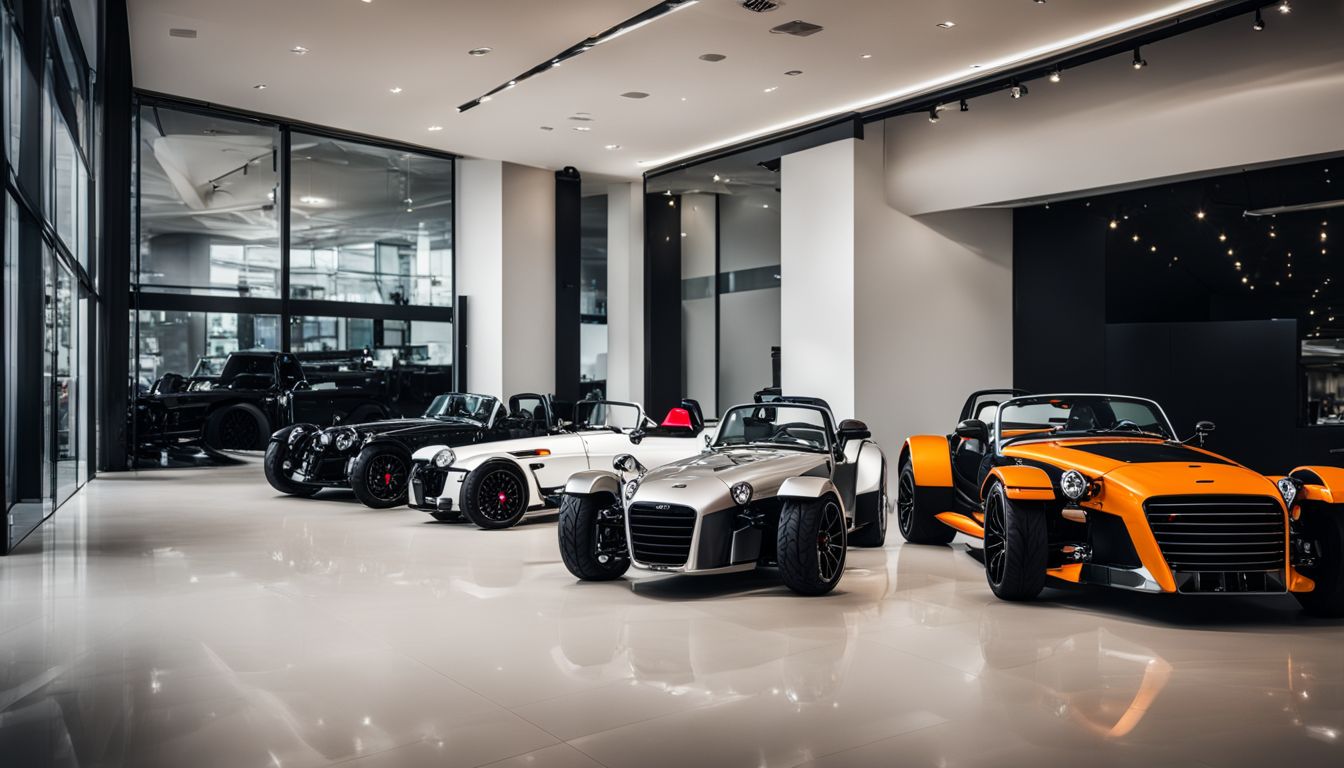
The D8 moniker stretches across various industries, making it confusing to discuss the model without context. Let’s delve into four prominent applications of the D8 Series:
Caterpillar D8: This is a legendary workhorse in the construction world. The Caterpillar D8 is a medium-sized track-type tractor, essentially a powerful bulldozer. Dating back to 1935, the D8 series has seen numerous iterations but typically comes equipped with a large detachable blade for pushing earth and a rear ripper for breaking up tough terrain. These machines are known for their durability and power, ideal for large-scale construction projects, land clearing, and even disaster relief.
Deenova D8 Series: Taking a sharp turn into healthcare, the Deenova D8 Series tackles a crucial but often overlooked aspect – medical device traceability. This fully automated system ensures meticulous tracking of medical supplies within hospitals. Imagine a closed-loop system where everything, from medication to surgical tools, is monitored from prescription to bedside. The D8 Series achieves this by leveraging error-free mechatronics technology, a fancy term for a combination of precision mechanics and smart electronics. Benefits include accurate cost allocation, reduced waste, and improved inventory control – all contributing to better patient care and hospital efficiency.
Aurora D8: Finally, we glimpse the future of commercial aviation with the Aurora D8. This is a conceptual aircraft design focused on maximizing efficiency. Nicknamed the “double bubble” for its distinctive fuselage shape, the D8 promises significant improvements in fuel economy and operating costs. Imagine a widebody aircraft comfortably seating 180 passengers and boasting a range of 3,000 nautical miles, all while offering a more spacious cabin experience than current mid-size jets. The D8 is a potential game-changer, aiming to reduce environmental impact and enhance passenger comfort for domestic flights.
The Enigmatic Model S8: A Deep Dive (or Dive Not?)
The world of automobiles is filled with iconic names – Mustang, Corvette, Land Rover. But whisper “S8”, and you’re likely met with curious glances. That’s because the S8 isn’t a specific car model but rather a designation used by a couple of manufacturers for their top-of-the-line performance sedans. So, to understand the S8, we need to delve into two distinct interpretations.
1. The Granddaddy: The Audi S8
Audi’s S8 has been a force to be reckoned with since its introduction in 1990. It sits at the pinnacle of the brand’s sedan lineup, offering a blend of luxury, power, and thrilling performance. The current iteration boasts a powerful V8 engine with all-wheel drive, translating to a neck-snapping acceleration and a planted feel on corners.
Inside, the S8 is a technological wonderland. High-quality materials like leather and Alcantara create a sumptuous environment, while a digital instrument cluster and a large infotainment screen keep you connected and informed. Advanced driver-assistance features like adaptive cruise control and lane departure warning enhance the driving experience.
However, the S8 isn’t all about muscle. It prioritizes a comfortable ride despite its sporty nature. This makes it a perfect choice for those who desire an exhilarating performance and a luxurious daily driver.
2. The Enigmatic Successor: The BMW S8 (Not Yet Here)
The story takes a turn with BMW. Rumours have swirled for years about a potential S8 model meant to rival the Audi. However, as of today (22 March 2024), there’s no official confirmation from BMW.
Some speculate the S8 could be a high-performance variant of the existing M8 Gran Coupe, offering an even more aggressive driving experience. Others believe it might be an entirely new model, pushing the boundaries of luxury and performance sedans.
The lack of concrete information fuels the intrigue. Will the BMW S8 ever materialize? If it does, what features will it boast? Will it dethrone the Audi S8 as the ultimate performance sedan? Only time will tell.
Deciphering the S7: Two Beasts of Performance
The “S7” badge can ignite discussions among car enthusiasts, referring to two distinct yet captivating vehicles: the Audi S7 and the Saleen S7. Let’s delve into the individuality of each S7 to understand what makes them unique.
The Audi S7: Power Meets Practicality
The Audi S7 is the epitome of a modern high-performance Sportback. It seamlessly blends luxury, practicality, and thrilling driving dynamics. Under the hood lies a powerful, twin-turbo V6 engine, pushing out an impressive 444 horsepower. This translates to exhilarating acceleration and a top speed that will leave you breathless.
But the S7 isn’t just about brute force. Audi’s Quattro all-wheel-drive system ensures exceptional grip and handling, making it a joy to navigate twisty roads. The adaptive air suspension allows you to adjust the ride for a comfortable commute or a more performance-oriented experience.
The interior of the Audi S7 lives up to its luxurious exterior. High-quality materials like quilted leather and natural wood trim create a sophisticated ambience. The Sportback design offers surprising cargo space, making it suitable for weekend getaways or hauling everyday essentials. Technology is at the forefront with a sleek infotainment system and many driver-assistance features.
The Saleen S7: American Muscle Unleashed
The Saleen S7 is a different breed altogether. This American-made masterpiece is a hand-built, mid-engine supercar with pure power and exclusivity. Unlike the mass-produced Audi, the Saleen is a rare sight on the road, crafted with meticulous attention to detail.
The beating heart of the Saleen S7 is a monstrous, all-aluminium engine built in-house. It can churn out anywhere from 550 to over 1000 horsepower depending on the specific model. This translates to mind-bending acceleration figures and a top speed that pushes the boundaries of physics.
The Saleen prioritizes performance above all else. Its lightweight construction, aggressive aerodynamics, and race-inspired suspension make it a force to be reckoned with on the track. The interior is designed for function rather than luxury, focusing on driver engagement and feedback.
Future Plans for Donkervoort
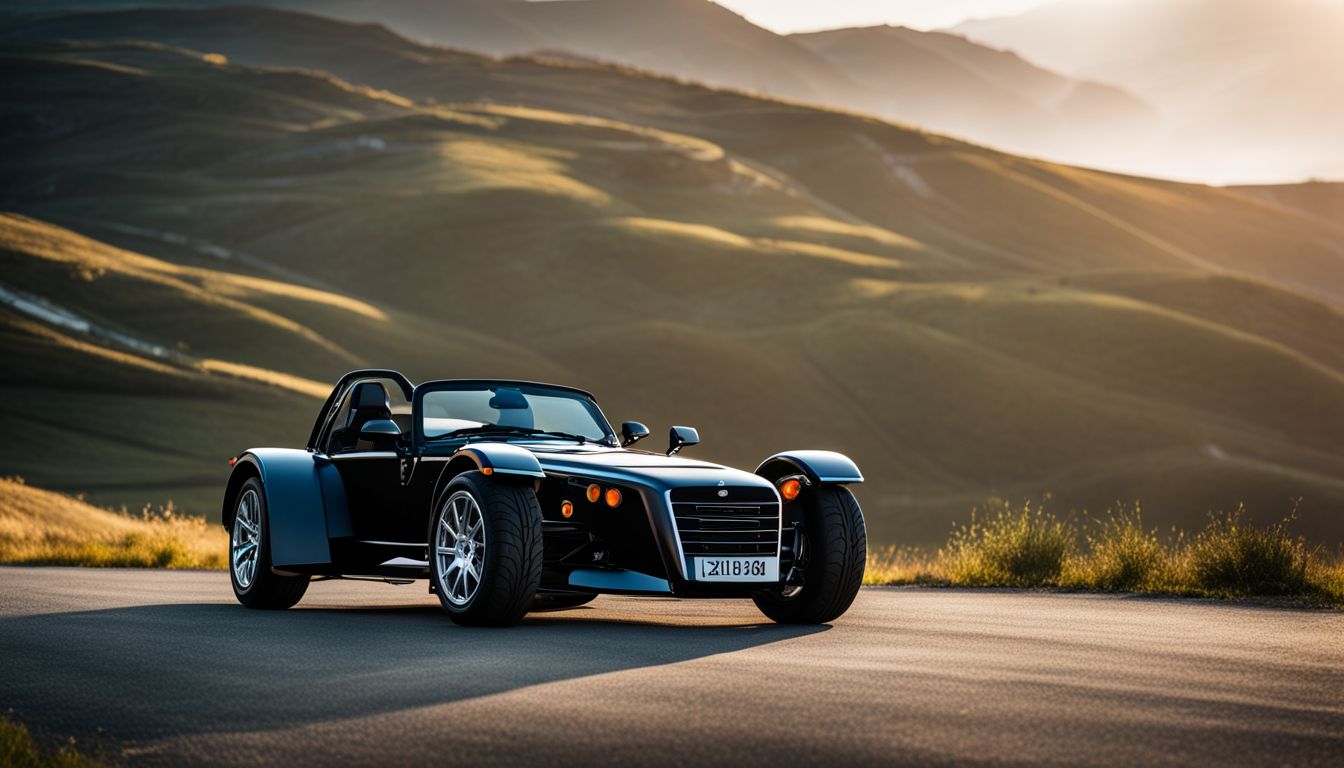
Donkervoort has big plans for the future. They want to take their brand to new heights. A huge part of this plan is the Donkervoort F22. This new model aims to wow car lovers with its speed and style.
The F22 offers more than just fast driving. It brings purity, design, and ease of use into one package. The goal is to be fast on the race track and easy to drive in real life.
But it’s not all about new cars for Donkervoort. They want each customer to feel special and cared for. That’s why they focus on individuality and top-notch customer service as well.
In conclusion, the Donkervoort isn’t just a car; it’s a driving experience. It’s a philosophy forged from lightweight engineering, a relentless pursuit of performance, and a dedication to pure driving thrills. From the legacy of Joop Donkervoort’s vision to the modern marvel of the D8 GTO, Donkervoort has carved a unique niche in the world of supercars.